Cosmetic Bonding
Want to repair a chipped tooth or close a small gap without crowns or veneers, and in most cases without anesthesia at all? Cosmetic bonding makes that possible, often in a single visit. At Aesthetic Dentistry, our doctors hand-sculpt tooth-colored composite resin directly onto the tooth, building it up to mask discoloration, even out uneven edges, and reshape, repair, or enhance the look of your front teeth.

What it is
Composite resin, layered and sculpted right onto the tooth surface, that corrects chips, cracks, gaps, discoloration, or uneven shape. In most cases none of your natural tooth structure has to be removed.
Who it's for
A good fit if you have minor cosmetic flaws on your front teeth and want a fast, affordable improvement without committing to veneers or orthodontics.
How we help
Expect same-visit results: most bonding takes only 30 to 60 minutes per tooth. Our doctors match the shade precisely and sculpt the composite by hand for a natural, artistic finish.
Few treatments refresh a smile as quickly as bonding does. At your next visit, ask whether you're a candidate.
What Cosmetic Bonding Can Correct
- Chipped or cracked front teeth: rebuilt seamlessly back to their original shape
- Small gaps between teeth: closed up without any orthodontics
- Tooth discoloration: masked from view, including stains that whitening can't fully resolve
- Uneven or short teeth: lengthened or reshaped until they look symmetrical
- Exposed root surfaces: covered over in spots where the gums have receded
- Misshapen or pointed teeth: rounded and widened for a more natural look
Cosmetic Bonding vs. Veneers
- Bonding: typically leaves enamel untouched and is easily repaired
- Bonding: finished in one visit, with no waiting on a lab
- Bonding: costs less per tooth and suits minor corrections
- Veneers: need enamel prepared first and are a permanent commitment
- Veneers: hold up longer and resist staining better over the years
- Veneers: the stronger pick for major color, shape, or size changes
- our doctors can help you weigh which option matches your goals and budget
The Bonding Procedure
- Shade selection: our doctors pick a composite shade tuned to your natural tooth color
- Surface preparation: a light etch, usually with no drilling, gives the resin a surface to grip securely
- Application: composite goes on in layers, then is shaped and sculpted by hand
- Curing: within seconds, a special light hardens each layer
- Finishing: finally, the bonded area is polished to a smooth, natural-looking sheen
How Long Does Bonding Last?
- With good care, cosmetic bonding usually holds up 5 to 10 years before a touch-up or replacement is needed
- How long it lasts comes down to where the bonding sits, the bite forces on it, and your daily oral care
- It tends to last longest on front teeth, which don't take the heavy pressure of chewing
- Composite isn't as tough as porcelain, so it can chip if you bite directly into hard foods or use your teeth as tools
- A quick polish at your regular cleanings keeps the surface finish looking its best
Caring for Bonded Teeth
- Floss nightly and brush twice a day with a toothpaste that isn't abrasive
- Skip biting straight into very hard foods such as ice, hard candy, and popcorn kernels
- Leave opening packages and tearing tape to scissors, not your teeth
- Over time, coffee, tea, and tobacco can stain composite resin
- A night guard protects bonded surfaces if you tend to grind your teeth
- Keep up with regular checkups so our doctors can monitor how the bonding is holding up
When it comes to refreshing your smile affordably, cosmetic bonding is hard to beat. Book a consultation and see what's possible.
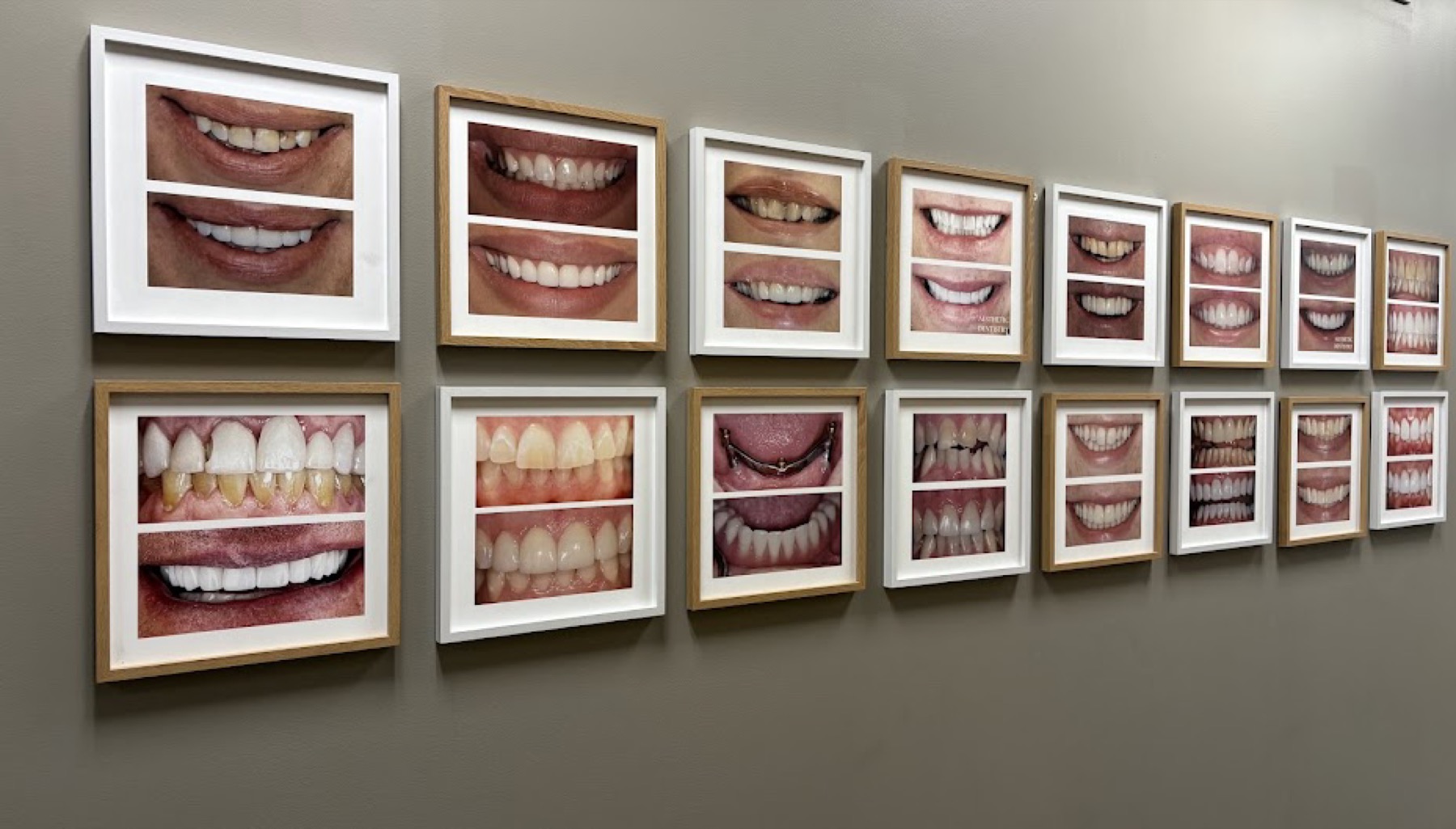
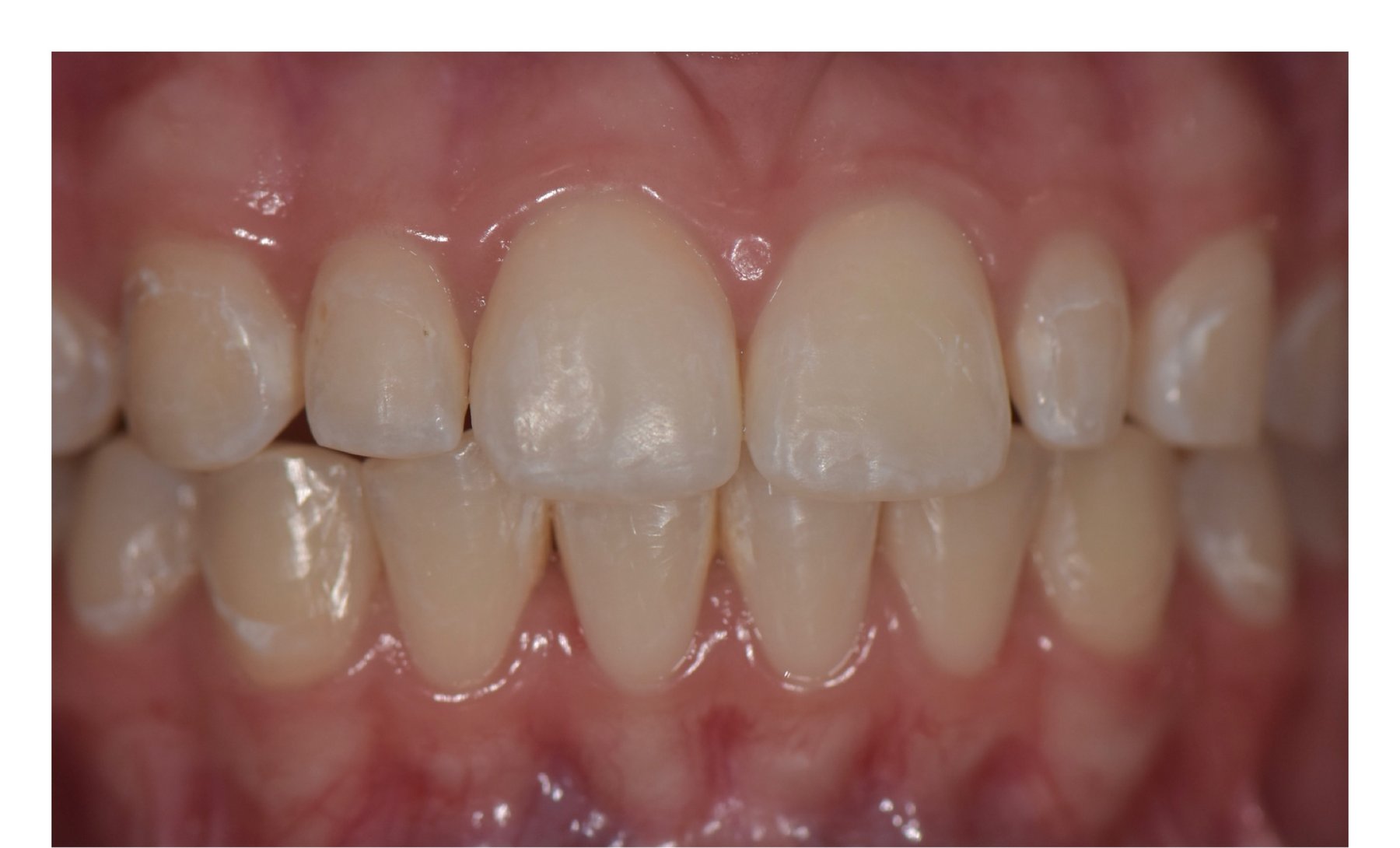
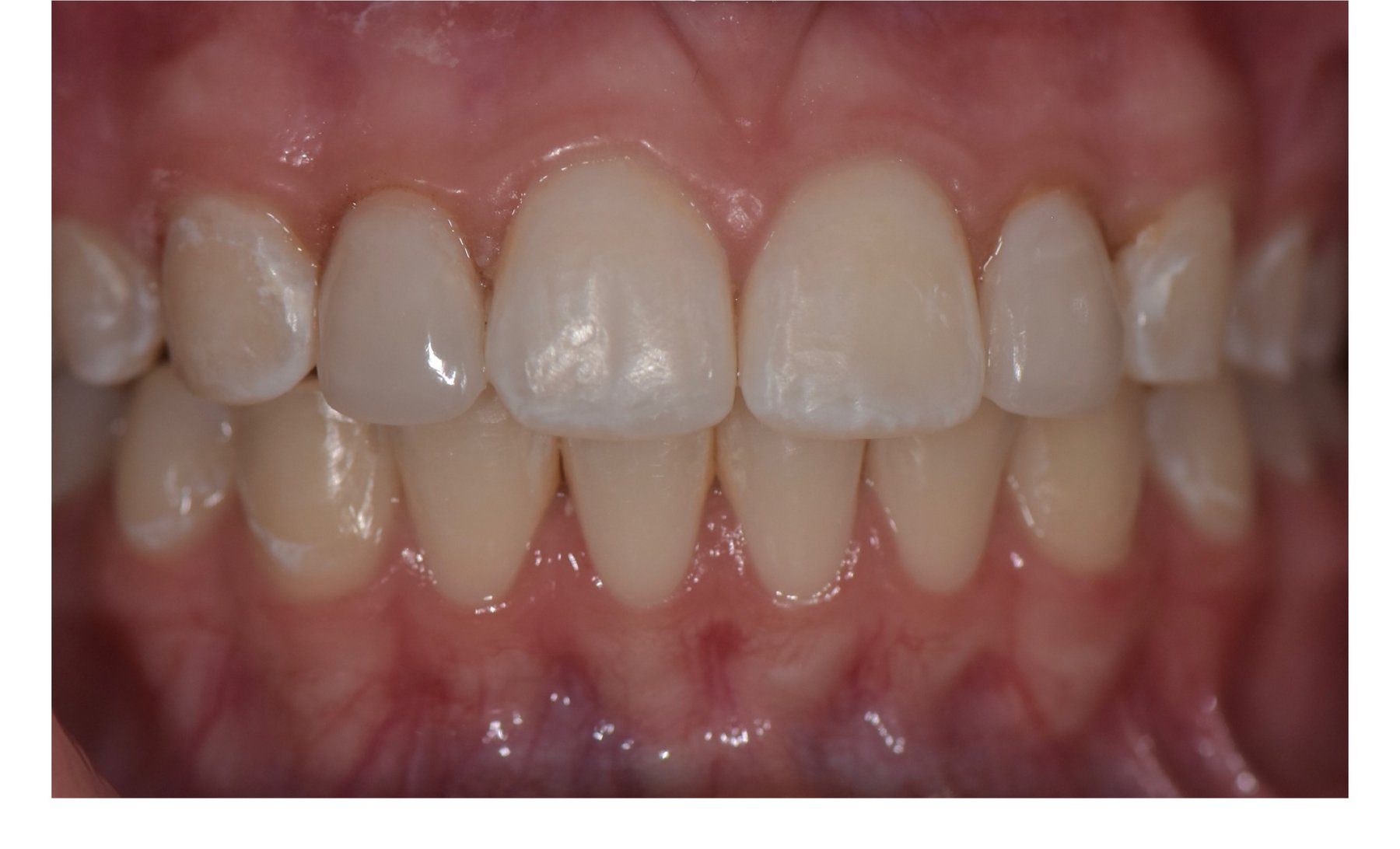
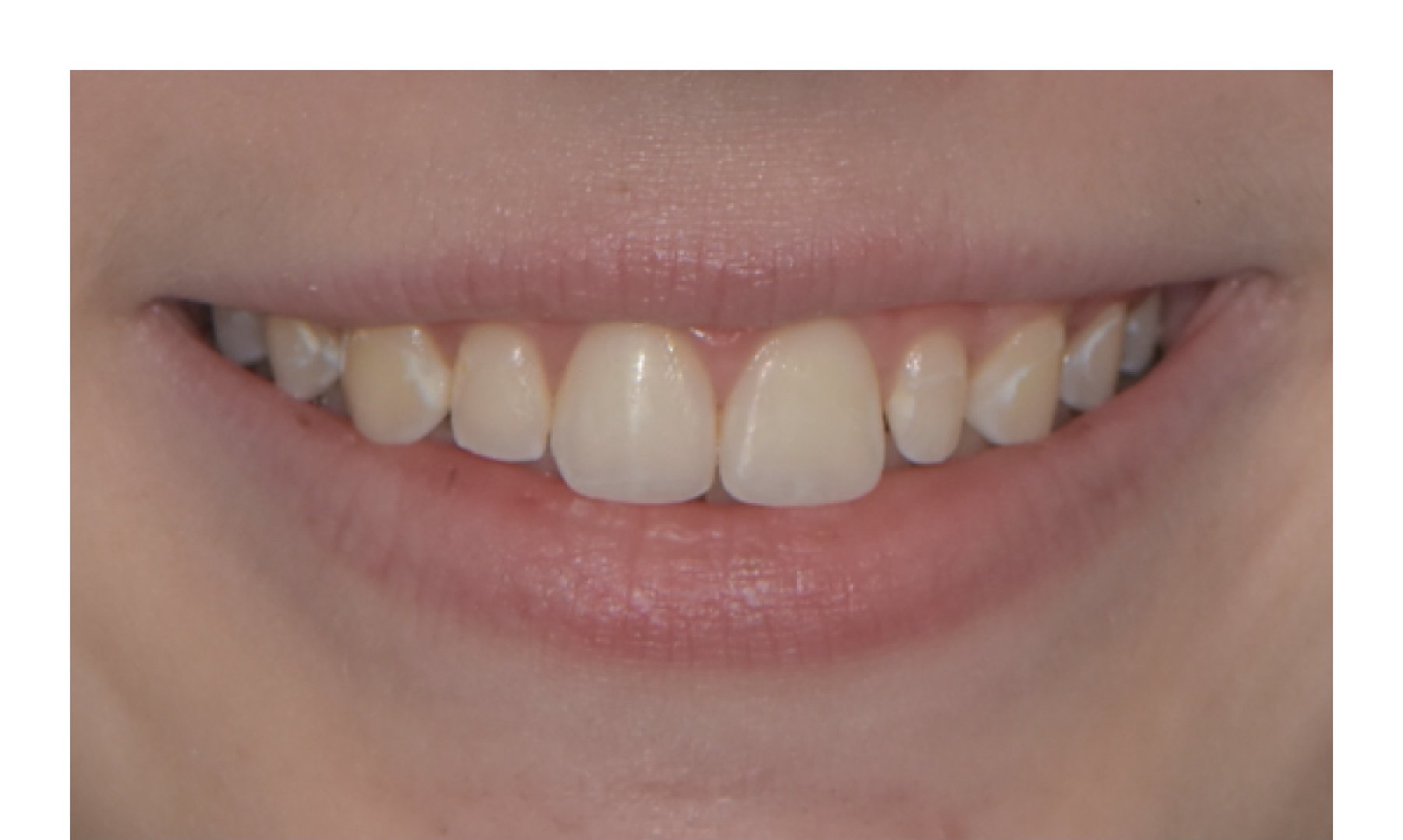
Before & After
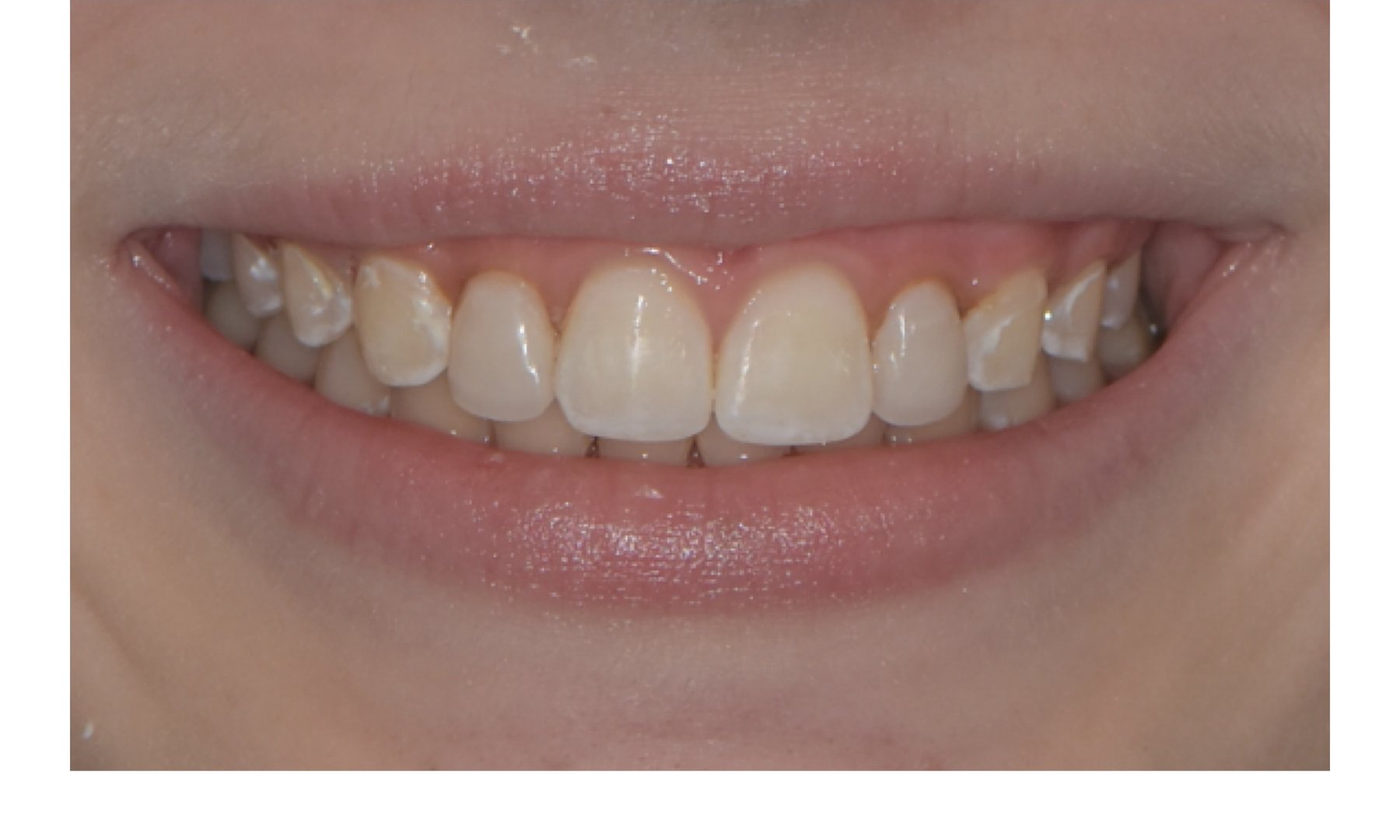
These cosmetic bonding cases were all treated at our Orland Park office.
What to Expect at Your Visit
Visit Steps
- Consultation: our doctors examine your teeth, hear out your goals, and decide whether bonding is the right fit
- Same-day treatment: there's usually no second visit, since bonding is often done right at that same consultation appointment
- Duration: plan on 30 to 60 minutes per tooth, depending on how much correction is involved
- Anesthesia: rarely needed, unless the tooth has decay or damage near the nerve
Helpful Tips
- Fresh composite stains most easily, so for 48 hours after bonding steer clear of dark foods and drinks like coffee, tea, and red wine
- Photos of smiles you admire are worth bringing in, since they help our doctors picture your aesthetic goals
- Considering a more comprehensive smile makeover later? Bonding makes a great low-commitment first step
- When alignment is a bigger issue, our doctors may suggest pairing bonding with clear aligner therapy
Frequently Asked Questions
They share the same tooth-colored composite resin, yet the goal is different. A filling is restorative: it removes decay and rebuilds a tooth that has been damaged so it is healthy again. Cosmetic bonding improves the look of a tooth that is already healthy, smoothing chips, closing small gaps, masking discoloration, or evening out uneven edges on the front teeth where appearance counts most.
Because cosmetic bonding works on the visible surface rather than treating disease, it usually needs no drilling and no anesthesia, and in most cases none of your natural tooth structure has to be removed. That conservative, repairable nature is a big part of why so many patients choose it as a quick first step toward a better-looking smile.
Most of the time, cosmetic bonding is completely painless and needs no anesthesia at all. Since the procedure usually involves only a light etching of the enamel surface rather than drilling into the tooth, there is nothing for you to feel beyond the gentle work on the tooth.
In the less common case where the tooth also has a cavity or sensitivity near the nerve that needs attention, our doctors may use a local anesthetic so the work stays comfortable. A day or two of mild sensitivity after bonding is normal and settles quickly, and there is no recovery period to speak of, so you can return to your day right away.
For small to moderate chips, cosmetic bonding is a great solution. Because the composite is sculpted directly onto the tooth and cured in place, our doctors can rebuild a chipped edge back to its natural shape in a single visit, with a result that blends right in.
A very large chip is a different matter. When too much tooth is missing, bonding may not have enough surface to grip or enough strength to hold up to daily use, so a veneer or crown that covers more of the tooth is often the sturdier, longer-lasting choice. After sizing up the chip and how the tooth bites, our doctors will recommend the best option for that specific tooth.
Yes. Composite resin comes in a wide range of shades, and our doctors carefully match one to the color and translucency of the teeth around it, layering and sculpting the material so it mimics the way natural enamel catches the light.
That artistry is what makes well-done cosmetic bonding virtually impossible to spot, even on the front teeth where it shows most. Over the years composite can pick up some staining from coffee, tea, or tobacco, so a quick polish at your regular cleanings keeps the bonded areas matching your natural teeth and looking their best.
Often, yes. By adding a thin layer of composite to widen one or both of the teeth on either side of the space, cosmetic bonding can close small to moderate gaps, known as diastemas, in a single visit and without any orthodontics. For many people it is the fastest, most affordable way to close a gap they have lived with for years.
For wider gaps, or when the teeth are also crowded or out of line, clear aligners or veneers may be the better correction, since stretching bonding too far can leave the teeth looking bulky. To find the right fit, our doctors will weigh the size of the gap and your overall alignment, then recommend the most appropriate approach, whether that is bonding alone or bonding paired with another treatment.
What you pay comes down to how many teeth are treated and how much correction each one needs, since reshaping a single chipped edge is a smaller job than building up several teeth across your smile. Even so, cosmetic bonding ranks among the most affordable cosmetic options around, which is one of its biggest draws.
Because bonding is usually elective and cosmetic rather than treating a dental problem, it is generally not covered by insurance, so it helps to know the number up front. You will get a detailed estimate at your consultation, plus flexible financing options that keep treatment within reach. Compared with veneers, bonding is also easy to start small with and add to later.
Your better-looking smile could be a single visit away. Book a cosmetic bonding consultation today.